
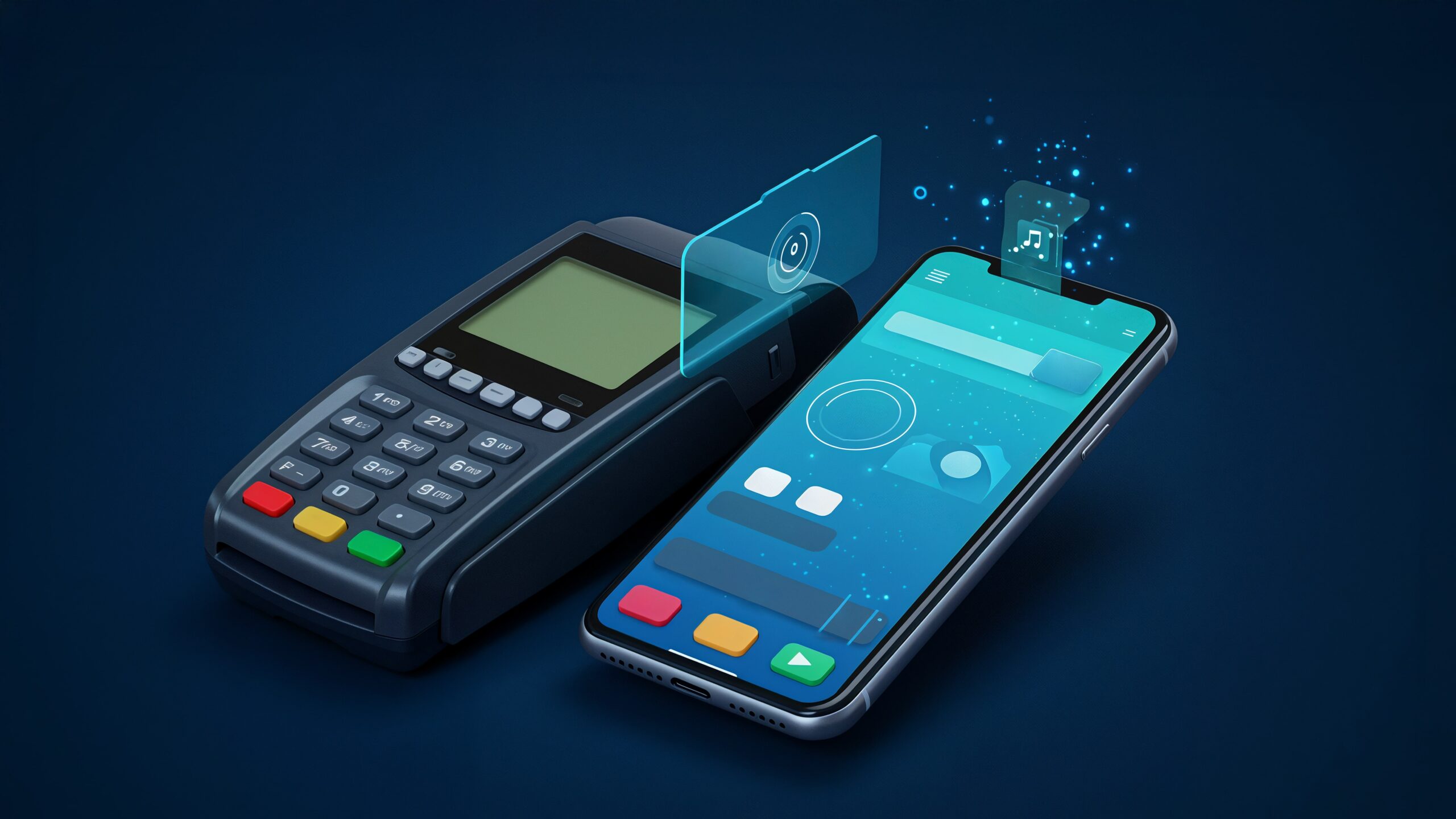
In today’s digital age, real-time communication and data sharing are crucial for efficient operations, especially in sectors like public safety, transportation, and logistics. One of the most critical tools enabling this connectivity is the Mobile Data Terminal (MDT). Also known as mobile data computers (MDCs), these devices empower field personnel with instant access to centralized data systems, enhancing decision-making and operational efficiency.
This comprehensive guide explores what a mobile data terminal is, how it works, where it’s used, and its benefits in various industries.


What is a Mobile Data Terminal?
A Mobile Data Terminal (MDT) is a ruggedized, vehicle-mounted or portable computer device that facilitates two-way communication between a central dispatch center and field personnel. It enables data transmission over cellular networks, radio systems, or satellite communication.
MDTs are commonly used by law enforcement officers, emergency responders, public transportation operators, and commercial fleet drivers to access vital data such as maps, incident reports, dispatch instructions, and more.
Key Features of a Mobile Data Terminal
Modern mobile data terminals are equipped with various features to ensure functionality in the field:
-
Rugged Hardware: Designed to withstand vibration, extreme temperatures, and moisture.
-
Touchscreen Display: Intuitive interface for quick access, even while driving.
-
Real-Time Data Sync: Ensures updates are instantly reflected across the system.
-
GPS Integration: Enables live location tracking and efficient route planning.
-
Wireless Connectivity: Supports 4G LTE, Wi-Fi, or radio communication.
-
Peripheral Integration: Can connect to barcode scanners, printers, or vehicle sensors.
How Does a Mobile Data Terminal Work?
MDTs work by establishing a wireless connection between the mobile unit and the central data system (such as a command center or dispatch software). Here’s a step-by-step breakdown:
-
Data Request or Command: A dispatcher sends real-time instructions or information to the MDT.
-
Reception: The MDT receives this data via cellular, Wi-Fi, or radio network.
-
Processing: The user accesses the data via a user-friendly interface, often while navigating.
-
Response or Update: Field personnel can respond, update task statuses, or request additional resources.
This two-way data exchange is crucial for dynamic environments like emergency scenes or delivery routes.
Applications of Mobile Data Terminals
1. Law Enforcement
MDTs are extensively used by police officers for:
-
Accessing criminal databases
-
Running license plate checks
-
Viewing incident locations
-
Communicating with dispatch without radio interference
2. Emergency Medical Services (EMS)
Paramedics use MDTs for:
-
Receiving patient data en route
-
Navigating to incident sites quickly
-
Transmitting patient vitals to hospitals
3. Public Safety
Fire departments utilize mobile data terminals to:
-
View fire hydrant maps
-
Access building blueprints
-
Communicate across units in disaster zones
4. Transportation & Logistics
Commercial fleets and public buses rely on MDTs to:
-
Manage delivery schedules
-
Optimize driving routes
-
Monitor vehicle diagnostics
5. Utilities and Field Services
Utility companies and field service technicians use MDTs to:
-
Access job assignments
-
Update work order statuses
-
Capture customer signatures
Benefits of Using Mobile Data Terminals
Implementing mobile data terminals provides numerous advantages across industries:
1. Improved Communication
With MDTs, communication is streamlined between central offices and field agents, reducing reliance on voice calls or paperwork.
2. Enhanced Operational Efficiency
Tasks like dispatching, data retrieval, and reporting are automated, saving time and resources.
3. Real-Time Decision Making
Access to live data allows field personnel to make informed decisions quickly.
4. Better Record Keeping
MDTs maintain digital logs of all transactions and communications, aiding compliance and audits.
5. Increased Safety
GPS integration and vehicle tracking enhance driver safety and accountability.
6. Cost Savings
Reducing manual processes, optimizing routes, and preventing equipment misuse all contribute to lower operational costs.
Choosing the Right Mobile Data Terminal
Selecting the right MDT depends on your organization’s needs. Consider these factors:
-
Durability: Must withstand harsh environments (IP-rated, MIL-STD certifications).
-
Display Size and Readability: Choose a screen size suited for mobile use.
-
Connectivity Options: Support for multiple networks ensures better coverage.
-
Battery Life: Essential for mobile workforce use.
-
Software Compatibility: Should support integration with your dispatch, GPS, or fleet management systems.
Popular MDT Brands include Panasonic Toughbook, Getac, Trimble, Zebra, and Motorola Solutions.
MDT vs. Other Communication Devices
| Feature | Mobile Data Terminal (MDT) | Smartphone | Two-Way Radio |
|---|---|---|---|
| Rugged Design | ✔️ | ❌ | ✔️ |
| GPS & Mapping | ✔️ | ✔️ | ❌ |
| Real-time Dispatch | ✔️ | ✔️ | ❌ |
| Peripheral Support | ✔️ | ❌ | ❌ |
| Secure Access | ✔️ (VPN, encryption) | ❌ | ❌ |
| Long-Term Durability | ✔️ | ❌ | ✔️ |
Integration with Modern Technology
1. IoT and Telematics
MDTs often integrate with IoT devices and telematics for real-time vehicle diagnostics, predictive maintenance alerts, and fuel efficiency monitoring.
2. AI and Automation
AI-based dispatch systems can assign tasks to MDTs based on proximity, traffic, and availability, reducing human intervention.
3. Cloud Connectivity
MDTs now support cloud-based data storage, enabling seamless data sharing across multiple locations and devices.
Challenges of Mobile Data Terminals
Despite their usefulness, MDTs come with challenges:
-
High Initial Investment: Hardware and setup costs can be significant.
-
Connectivity Issues: Remote areas may lack strong network signals.
-
Training Needs: Personnel must be trained to use the system effectively.
-
Data Security: Requires robust security protocols to prevent unauthorized access.
Future of Mobile Data Terminals
As technology evolves, mobile data terminals are becoming more compact, powerful, and versatile. The future will likely see:
-
5G-Powered MDTs for ultra-fast communication
-
Voice-Activated Interfaces to minimize driver distraction
-
AI-Powered Decision Support directly from MDT screens
-
Augmented Reality (AR) overlays for real-time field diagnostics
Conclusion
A Mobile Data Terminal (MDT) is a vital tool that enhances communication, coordination, and operational efficiency across various industries. From first responders to fleet operators, MDTs have become the backbone of field service technology.
By understanding what a mobile data terminal is and how it works, organizations can invest in the right solutions to improve productivity, safety, and real-time decision-making.
Need to convert or format JSON data quickly? Try our free Online JSON Formatter for seamless, accurate results in seconds!